How to actually share the mental load, not just the chores

Have you ever handed your partner a task, then still had to remind them about it? Checked it got done? Quietly redone the bit they missed? If so, you already know the problem. Splitting tasks doesn't split the load. It never really was about the doing.
Researcher and author Eve Rodsky studied this with hundreds of couples for her book Fair Play. She breaks any piece of household work into three parts: noticing that it needs to happen, planning how it gets done, and actually doing it. Most couples only trade the third part. One person still carries the first two for almost everything.
That's exactly why a 50/50 chore chart can still leave one partner feeling like the manager of the house, rather than an equal partner in it.
The fix isn't a fairer chart. It's full ownership.
The shift that actually works is handing over an entire area, start to finish, not a task within it. If your partner owns "kids' clothes," that means noticing when shoes don't fit anymore, deciding what to buy, and buying it, without being asked and without you checking afterwards. You get to fully stop thinking about it. That's the point.
This only works if both people agree on a minimum standard for "done" up front, and then genuinely let go. That second part is the hard one.
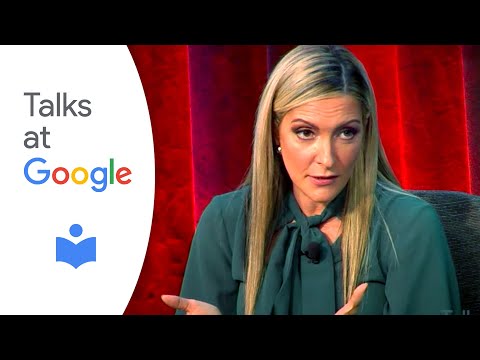 Eve Rodsky on Fair Play · Talks at Google

A short list to start with
Don't try to redesign your whole household in one evening. Pick three or four full areas and hand them over completely:
- Birthdays and gifts, for both sides of the family, start to finish.
- School forms and deadlines, reading them, replying, and getting the child there.
- One recurring bill or subscription, tracking cost and renewal, not just paying it.
- A single child's morning or bedtime routine, owned end to end, not split by task.
Why a shared, visible system matters more than good intentions
Ownership only sticks if both people can actually see what's happening without asking. If a birthday reminder lives only in one person's head, or one person's phone calendar, it hasn't really moved. This is the one practical thing that makes the whole approach durable: a single shared place for events, tasks and bills that both partners genuinely look at.
This is exactly why we built AI Family Organizer the way we did. When your partner takes over "school forms," they can log the deadline once and everyone sees it. Emma, the built-in assistant, can even take it from a message like "permission slip due Friday" straight into the shared calendar, so ownership doesn't quietly slide back to whoever remembers to check first.
Being honest about what this won't fix
This system doesn't work if one partner isn't genuinely on board, and it isn't a substitute for a harder conversation if the imbalance is a symptom of something bigger in the relationship. It also isn't instant. Most couples we've seen use it well take a few weeks of clumsy handoffs before it feels normal. Expect that, rather than expecting perfection from week one.
What is the mental load, exactly?
It's the invisible work of running a household: noticing what needs to happen, remembering it, planning it and following up, not just doing the physical task. Most task-splitting only touches the very last step.
How is this different from a normal chore chart?
A chore chart usually assigns single tasks. Full ownership means one person handles an entire area from noticing to finishing, so their partner never has to think about it or be asked.
How do we start this week?
Pick three or four full areas, like birthdays, school forms, one recurring bill, or a bedtime routine, and hand each one over completely, noticing and planning included, not just the task. Agree on a minimum standard up front, then let go.
What if my partner isn't interested?
This only works if both people are genuinely on board. If they're not interested, that's usually a sign of a bigger conversation to have first, not something a chart or app can fix alone.
Does this work for single parents too?
The full-ownership idea is built for two people, but a single parent can apply the same principle with a co-parent, older child, or family member who helps out, handing over a whole area rather than isolated tasks.
Give each other something to actually let go of
A shared family calendar and task list where ownership is visible, not just assumed. Free to start.
Try it free